First Big Storm of 2026/27 Hits Utah and Colorado as Snowmaking Fires Up: The Late-October Reorder Window for Ski Straps and Winter Gear
Mid-October delivered the moment the winter sports industry waits for: the first storm of the 2026/27 season that actually stuck. According to Teton Gravity Research (15 October 2026), the system that moved through Utah brought roughly 8–10 inches to Alta and Snowbird by the afternoon of Tuesday 13 October, before Colorado took the next round. For brands and distributors the significance is less about weather than about the calendar — the late-October reorder window for ski straps, covers and winter accessories is now open.
Utah: The Cottonwood Canyons Come Through First
The Wasatch Range was the early winner. Alta and Snowbird recorded roughly 8–10 inches by 13 October, with potentially more in the upper mountains, following unsettled weather linked to the remnants of Tropical Storm Rachel and a colder system out of the Pacific Northwest.
The same storm showed how localised early-season snowfall is: while the Cottonwood Canyons picked up meaningful snow, Park City Mountain and Deer Valley received very little, and resorts around Utah’s Ogden Valley and Logan saw minimal accumulation.
Opening dates remain tied to snowmaking temperatures and trail coverage rather than to one storm. Brian Head has announced a 6 November target, while Alta, Park City Mountain and Solitude have listed 20 November. Eagle Point will stay closed for the whole season because of Cottonwood Fire damage.
Colorado: The Snow Guns Switch On
Colorado saw its first notable snow of the season early in the week — Vail reporting nearly 3 inches, Beaver Creek a little over an inch and Crested Butte a dusting — before OpenSnow’s 14 October forecast called for roughly 6–12 inches at many resorts.
The more consequential news is mechanical. Loveland Ski Area began snowmaking at 7:04 p.m. on Wednesday 14 October, as reported by KOAA News5, building toward a top-to-bottom run and an approximately 18-inch packed base. Its system covers more than 240 acres, and the resort targets late October or early November after opening on 8 November last season. Arapahoe Basin, at a 10,780-foot base elevation, reported its first top-to-bottom snow this week; communications manager Shayna Silverman told Summit Daily (14 October 2026) that the aim is to open as soon as possible.
Snowmaking hinges on wet-bulb temperature — roughly 26 °F, combining ambient temperature and humidity. That is why, as Keystone Resort‘s Jacob Marquardt explained, heavy early storms are not automatically ideal: falling snow means high humidity, and damper conditions are harder for crews on the hill. Keystone was already selling lift tickets for Saturday 24 October; last season it opened on 25 October and beat A-Basin by a day to become the first resort in Colorado and North America to open.
Tahoe, Jackson Hole and the Rest of the West
In Tahoe, Mt. Rose Ski Tahoe has set a 6 November target and began making snow on 13 October, saying opening depends on reaching 10–14 inches of average snow depth on a key intermediate trail. Most other Tahoe resorts target openings closer to Thanksgiving.
In Wyoming, Jackson Hole Mountain Resort is working toward 27 November after the storm whitened its upper mountain while lower elevations saw mostly rain. Two numbers frame the season against last winter: record-low snowpack across much of the West, and Colorado’s lowest ski visitation in more than 35 years. Retailers planned lean in response, which is why an early, snowmaking-driven opening sequence tends to pull demand forward rather than spread it out.
El Niño: A Planning Signal, Not a Guarantee
The early snowfall arrives as a strong El Niño develops in the tropical Pacific. NOAA’s 8 October update said El Niño continued to strengthen, with a strong-to-very-strong event likely through January–March 2027. El Niño can shift the odds of precipitation across North America, but effects vary by region and moisture alone does not decide how much falls as snow. For buyers, the practical read is to keep orders flexible and split across the season.
What It Means for Accessory Buyers
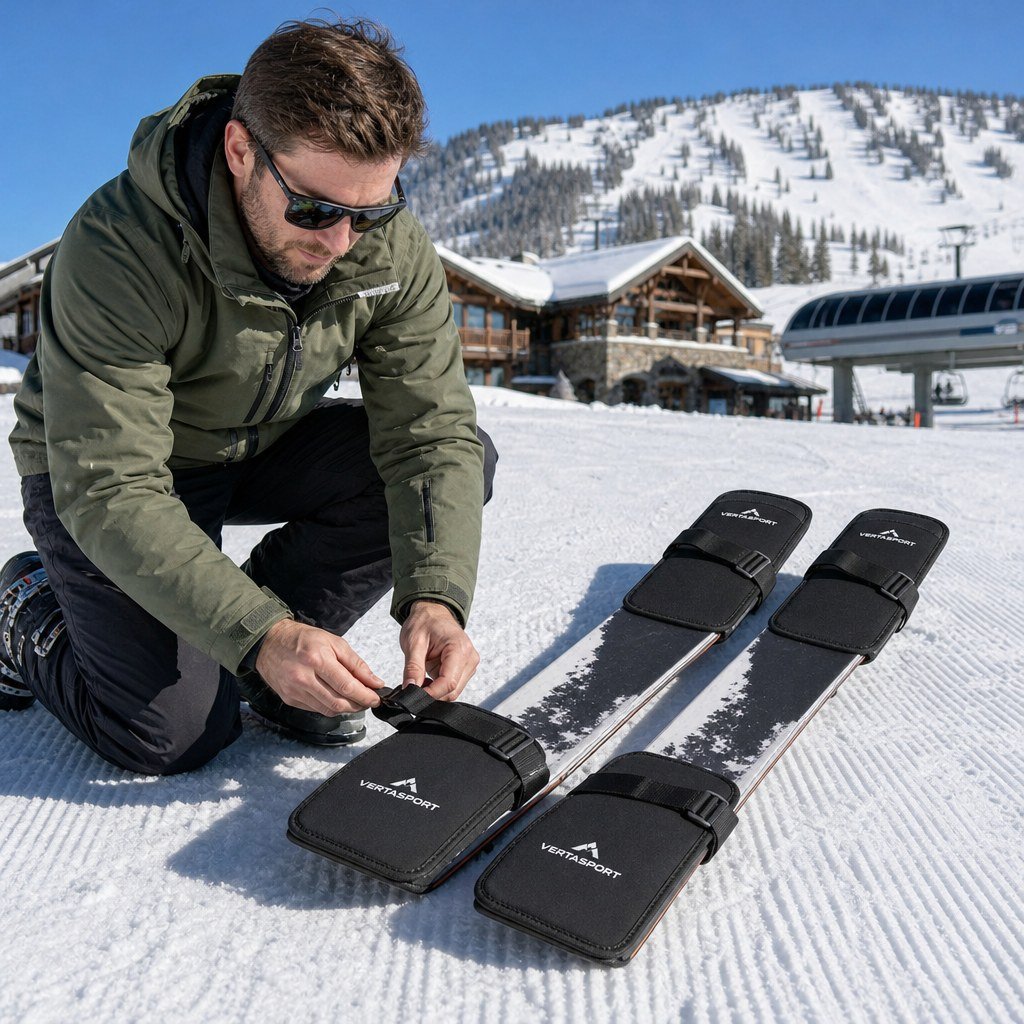
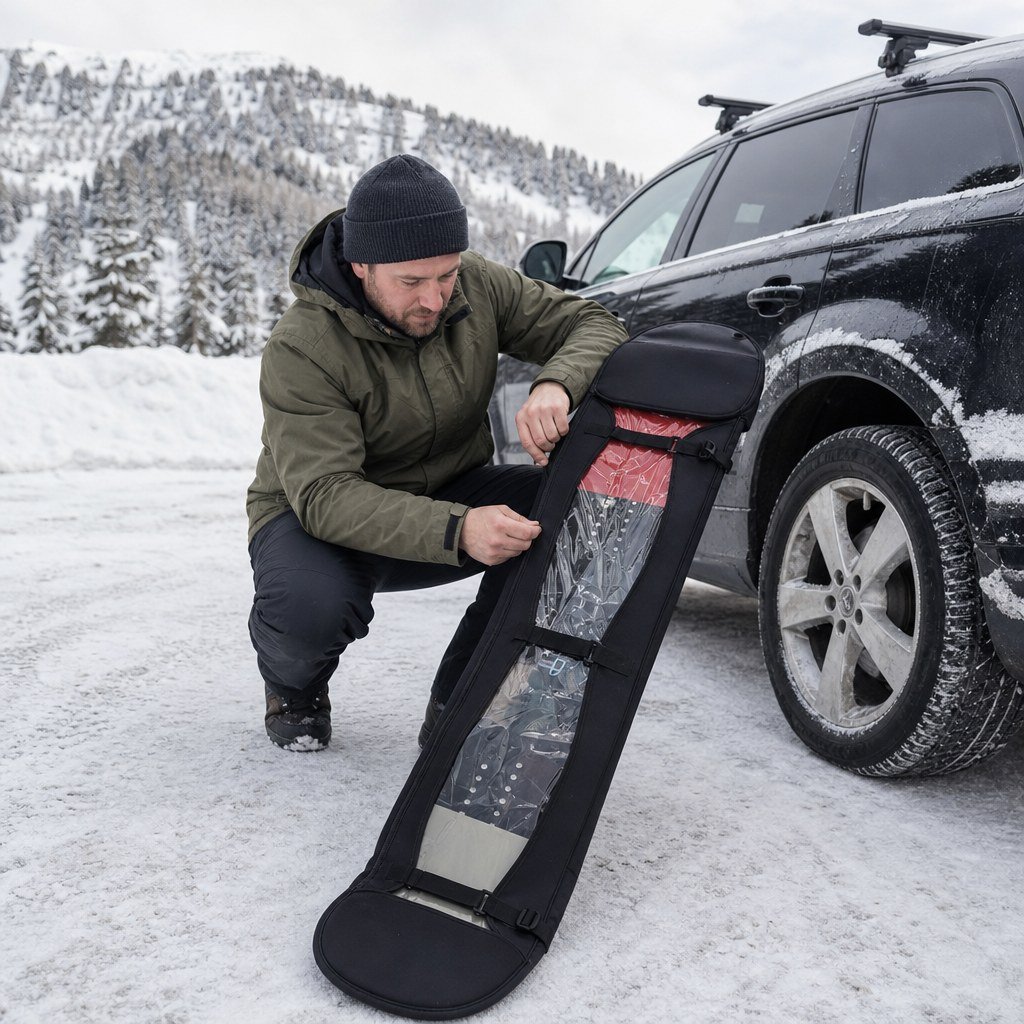
Accessory demand tracks participation and travel, not ski-unit sales. When resorts open early and rental fleets stage gear in October, the items that move protect and carry the hardware: hook-and-loop ski and snowboard carrier straps, alpine ski ties, padded sleeves, foldable travel bags, tip protectors and neoprene covers. Goods ordered now can still be landed before the December peak in most European and North American channels; November orders start competing with peak-season freight.
Factory-Direct Ski Straps and Winter Accessories
VERTASPORT manufactures that range in-house in Shenzhen: hook-and-loop ski straps and ski carrier straps from our equipment straps line, snowsports covers, sleeves and bags from our clear-window snowboard cover through to ski tip protectors, with the same construction applied across our trail running, running, hiking, cycling and pickleball lines.
We are a 16+ year hook-and-loop and neoprene manufacturer supplying importers and private-label brands with factory-direct OEM/ODM, custom logo, colour and size runs, low MOQs for trial orders, REACH & RoHS compliant materials as standard, and quotes within 24 hours. We can arrange BSCI audit / ISO 9001 recertification on request.
Talk to Us Before the Calendar Tightens
Send your spec sheet, target quantity and destination market, and we will come back with pricing, tooling options and a delivery schedule that fits your December window. Email hxwdavidli@gmail.com or message us on WhatsApp.