Europe’s 2026/27 Ski Season Opens as the Nordic Market Heads to $464M: The Mid-October Ordering Window for Ski Straps and Winter Gear
Mid-October is where the European ski season stops being a forecast and starts being a lift line. According to SnowBrains (26 September 2026) and the Swiss season tracker deinskigebiet.ch, several resorts across the Alps and Scandinavia have already opened, and a second wave spins its lifts between 17 and 31 October. For brands and distributors, that window is also the last clean moment to lock in the straps, sleeves and covers that travel with every pair of skis.
Where Lifts Are Already Turning
Finland’s Levi and Ruka opened on 2 October, using snow farming — snow stockpiled under insulating covers through the summer — to guarantee an early front-slope opening regardless of natural snowfall. On the same day, Austria’s Hintertux Glacier reopened after its annual summer shutdown, which now runs roughly five to six weeks each year.
Switzerland’s Saas-Fee followed on 3 October, reopening its upper glacier after an August heat closure that had suspended summer skiing. Stubai Glacier and Kitzsteinhorn above Zell am See-Kaprun opened on 9 and 10 October. The next wave is already scheduled: Diavolezza-Lagalb in the Engadin and Kåbdalis in Swedish Lapland around 17 October, Mölltal Glacier on 23 October, Breuil-Cervinia on 24 October and Schilthorn on 31 October, with Zermatt’s full winter season from 1 November. Early-season dates are provisional.
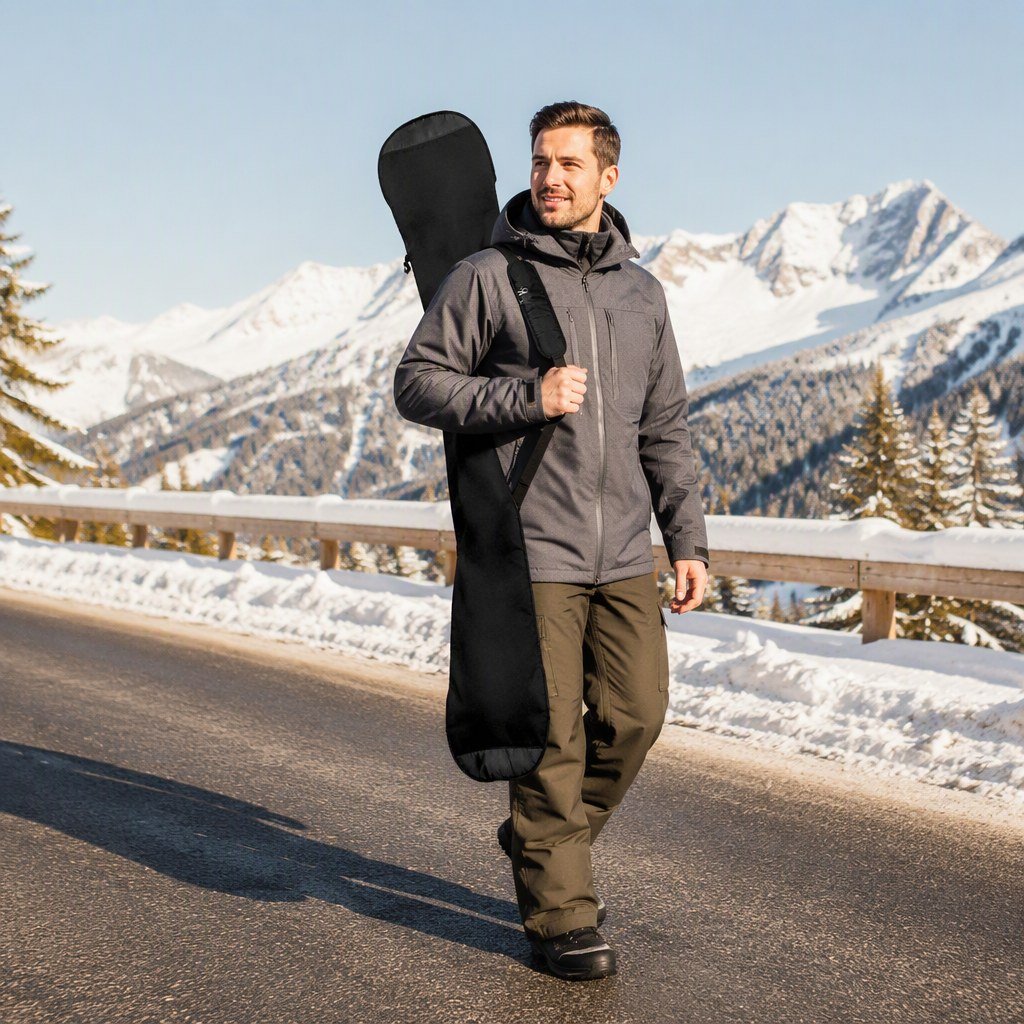
Why Early-October Openings Matter More Than They Look
What actually decides an announced opening is cold, not snowfall. As deinskigebiet.ch notes in its 2026/27 analysis, most resorts open on machine-made snow and need several consecutive nights below roughly minus 3 °C wet-bulb temperature, so a mild November moves more dates than a dry one. The resorts that reliably open before mid-November have one thing in common — glacier ice supporting the snowpack from below.
Terrain in these first weeks is limited to glacier lifts and snow-farmed slopes, but the openings set the tone for the winter: rental fleets begin staging gear and buyers who have not yet placed winter orders are working against a shrinking calendar.
The Other Story: Nordic Equipment Resets While Participation Grows
On 6 October 2026, Growth Market Reports published a global cross-country ski equipment outlook that values the market at USD 310 million in 2025 and projects USD 464 million by 2034, a 4.6% compound annual growth rate. The headline number sits next to a structural shake-up: Norway’s Madshus was sold on 3 August 2026 to ConsilTech, the owner of Kästle, and on 14 September 2026 the Madshus board proposed ending ski production at Biri in Norway from 2027 and moving it to ConsilTech’s plant in Nové Mêsto, Czech Republic — a proposal affecting 32 jobs, after losses of close to NOK 200 million over three and a half years. The top five suppliers now hold roughly 55% of market revenue, with ConsilTech controlling two Nordic brands alongside Fischer, Amer Sports and Rossignol.
The important part for suppliers is why the market shrank. It is an inventory problem, not a skier problem. Eurostat customs data cited in the report shows EU imports of cross-country skis falling from 1.31 million pairs in 2023 to 575,000 pairs in 2025, as retailers sold down stock bought during the 2020–2022 boom through two late, snow-poor winters. Meanwhile, Snowsports Industries America counted 5.8 million US cross-country participants in 2024/25, up from 4.8 million in 2019/20, and Vasaloppet’s 2026 Winter Week drew 61,600 registrations. Europe still holds 76.0% of the market, while Asia Pacific is the fastest-growing region at a 7.4% CAGR. The report projects a modest recovery in 2026 and faster growth from 2027, as boom-era equipment comes up for replacement.
What It Means for Straps, Covers and Accessory Buyers
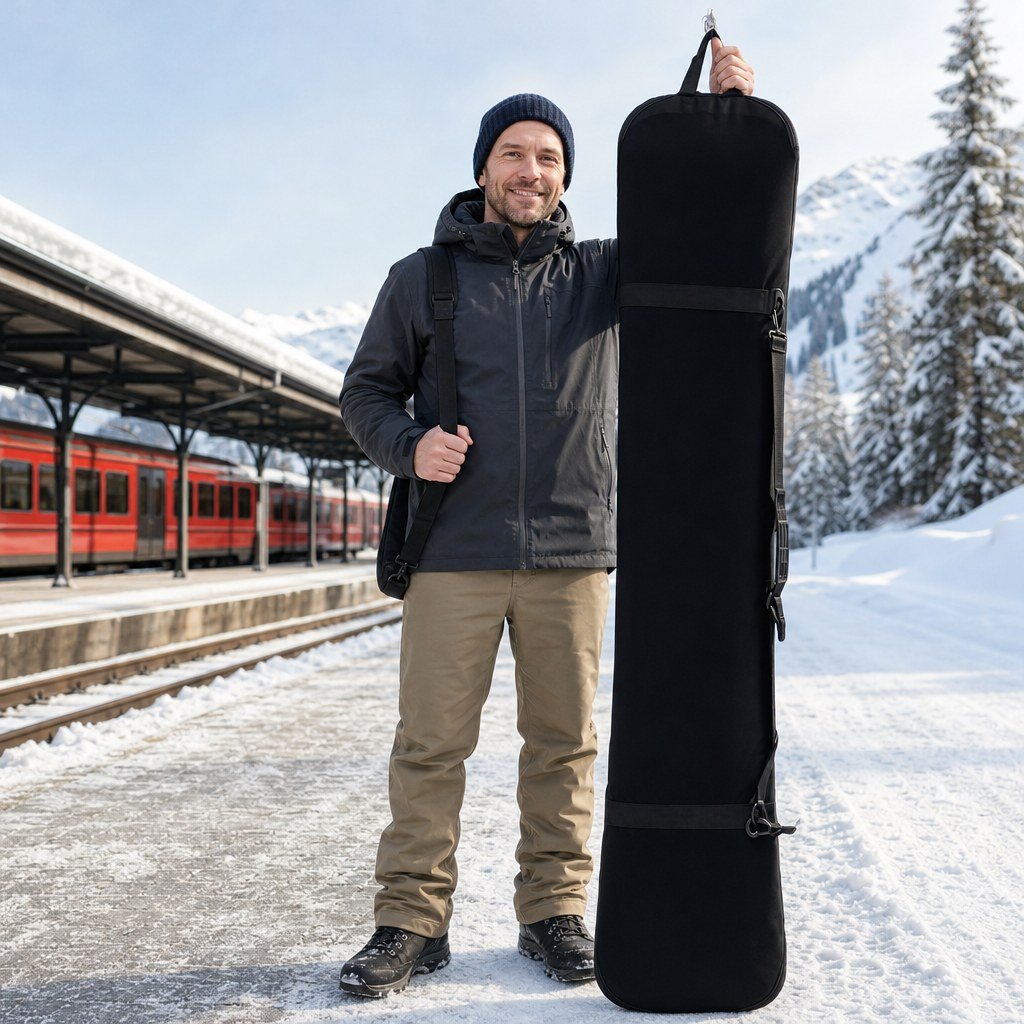
Accessory demand tracks participation, not ski-unit sales — which is why the figures above matter more to a strap supplier than the shipment decline does. As rental fleets and retail inventories refresh from 2027, demand follows for the items that protect and carry the hardware: carrier straps, padded sleeves, foldable travel bags, tip protectors and neoprene covers.
That is exactly the range VERTASPORT manufactures in-house: hook-and-loop ski and snowboard carrier straps from our equipment straps line, plus snowsports covers and bags, and the same construction applied across trail running, running, hiking, cycling and pickleball lines.
The Mid-October Ordering Window
Goods ordered in the second half of October can still be produced and landed before the December peak in most European and North American channels; November orders start competing with peak-season freight. Buyers evaluating winter accessory programmes now should expect: factory-direct OEM/ODM with custom logo, colour and size runs; low minimum order quantities for trial orders; REACH & RoHS compliant materials as standard; and quotes returned within 24 hours.
We are a 16+ year hook-and-loop and neoprene manufacturer based in Shenzhen, supplying ski straps, snowboard sleeves, travel bags, tip protectors and multi-sport strap systems to importers and private-label brands. We can arrange BSCI audit / ISO 9001 recertification on request for buyers whose compliance teams require it.
Talk to Us Before the Season Fills In
Send your spec sheet, target quantity and destination market, and we will come back with pricing, tooling options and a delivery schedule that fits your December window. Email hxwdavidli@gmail.com or message us on WhatsApp.