Trail Running’s 17.2 Million Boom and the 2026/27 Ski Pre-Season: Outdoor Gear Sourcing Outlook
A weekly sourcing briefing for outdoor gear brands, distributors and private-label retailers.
Mid-September is the hinge of the outdoor calendar. European and North American retailers are locking accessory programmes for winter while run and ride categories move into their own peak season. This week’s trade headlines gave buyers plenty to plan around.
Trail running crosses 17.2 million participants
Retail Brew reported in early September that trail running participation reached 17.2 million people in 2025, up 6.6% year over year and roughly 57% higher than in 2019, citing Outdoor Industry Association participation data. Trail has stopped being a niche story; it is now one of the fastest-widening segments in the North American outdoor market.
The Outdoor Industry Compass reported on 4 September that Canada’s MEC is renewing its trail running push with a nationwide training programme.
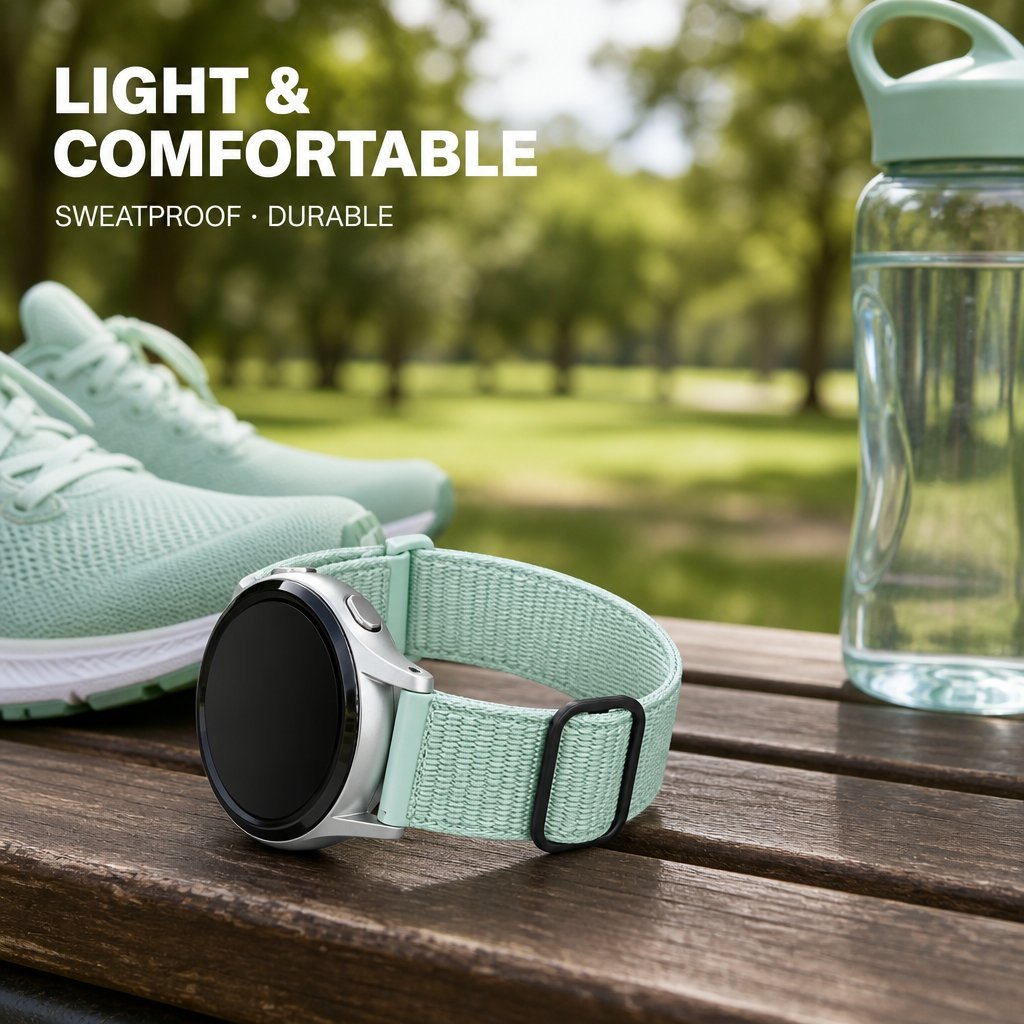
For accessory suppliers that translates into repeat demand for hydration packs, compression wear and the hook-and-loop retention straps that hold those products together. Our trail running and pure running programmes cover the components brands outsource first, and share webbing, buckles and neoprene with our snow lines — keeping tooling cost down for buyers running both seasons.
Ski areas confirm October openers as the pre-season window closes
IntheSnow published its round-up of 10 ski areas expected to open this October, naming early-season and glacier operations from Saas-Fee to Arapahoe Basin. Vail Resorts announced its 2026/27 opening dates on 18 August, and Ski Area Management reported that 115 ski-area personnel and industry suppliers gathered in Gatlinburg, Tennessee from 1–3 September to plan the season.
PlanetSKI’s write-up of Ski Launch 2026, published 8 September, captured the mood of the UK snowsport trade’s annual London conference. On the exhibition side, Snowbound Expo confirmed in June that it is relocating permanently to the Earth Expo & Convention Center at Mohegan Sun — the East Coast’s seasonal kick-off event.
Not every signal points the same way. CNN reported on 11 September that Europe’s high-altitude, year-round ski season is under growing pressure from summer heat waves, using Zermatt — which normally runs skiing from May to late October — as its case study. Thinner glacier seasons make weather-independent accessories more valuable: carrier straps and padded ski bags travel with the customer whatever the snow does.
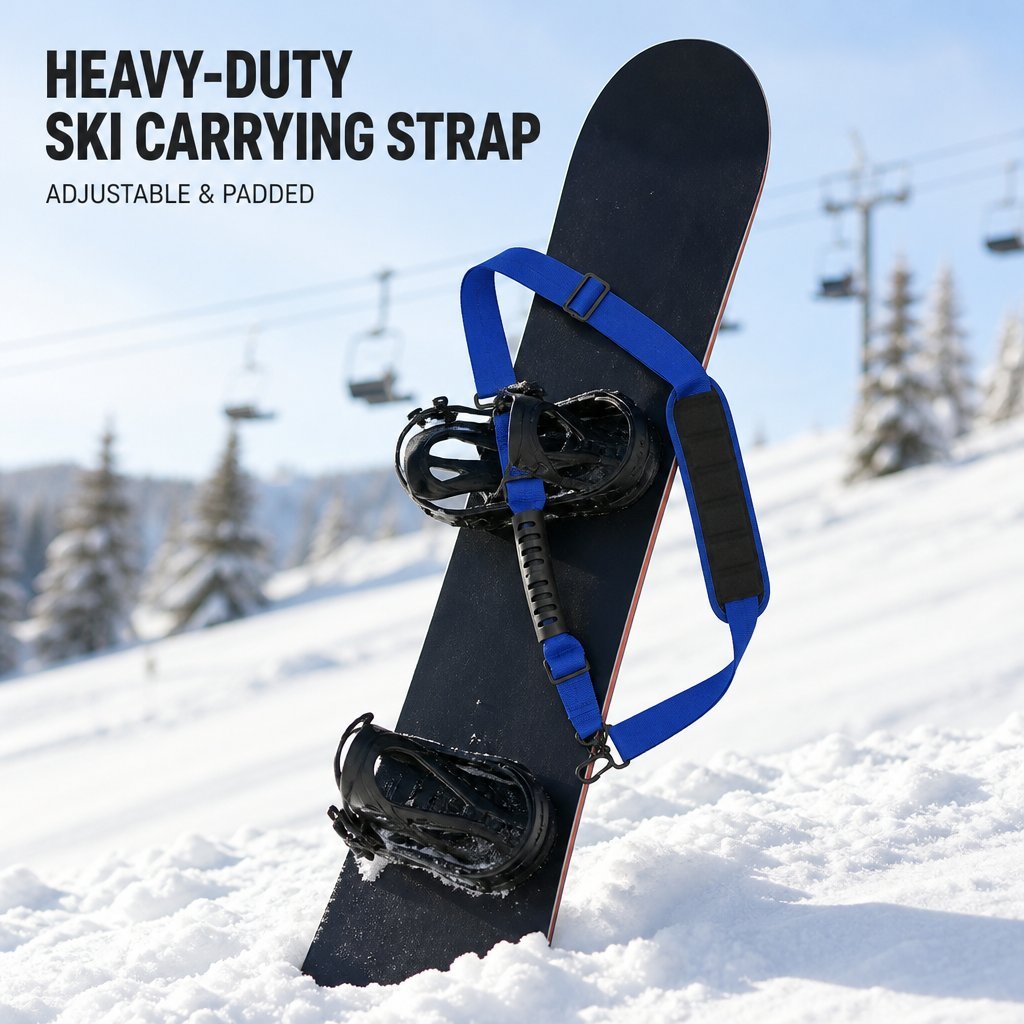
Ski carrier straps, snowboard straps and padded ski bags are among the first accessory lines retailers re-order in September: low-cost, high-margin and easy to merchandise next to hardgoods. Our Elite Snowsports range includes the adjustable ski straps with hook-and-loop fasteners that distributors in Austria, Germany and the Nordics order most often — in custom colours with private-label packaging.
Cycling’s supply chain keeps resetting
Bike Europe reported on 14 September that a Swedish outdoor and sports equipment supplier posted an 18% year-on-year decline in currency-adjusted net revenue in the first quarter of its 2026/27 fiscal year. The same outlet reported that the Commercial Court of Dijon has opened judicial reorganisation proceedings for Cycles Lapierre, which is seeking independence from the now-bankrupt Accell Group.
On the policy side, PeopleForBikes published its 2026 bike industry trade and tariff update on 4 September, noting new limits on how far Section 301 forced-labour tariffs can stack on top of other rates for certain countries — relief its analysis describes as meaningful for bicycle products from some key nations.
Consolidation and tariff churn push brands toward suppliers they can audit and re-order from quickly. Our biking and cycling accessories line is built for that pattern: pedal straps, tie-downs and protective covers produced to a signed-off sample.
Hiking, pickleball and the wider outdoor picture
Capstone Partners’ 2026 outdoor recreation sector update put announced and completed M&A volume at 95 transactions year to date, holding steady — a sign that strategic buyers still see the category as worth paying for.
Hiking and pickleball keep absorbing the customers that trail running and cycling bring into the channel. Lightweight webbing, neoprene protectors and multi-purpose straps sell across high hiking, pickleball and equipment straps programmes without new tooling — which is why buyers increasingly consolidate those lines with one factory-direct partner.
What buyers should action this month
- Confirm ski and snowsport accessory orders before the October opener crunch, when factory capacity tightens.
- Build a trail running range that reuses webbing, buckles and neoprene already in your line to cut tooling and MOQ risk.
- Request REACH and RoHS documentation up front — our materials are REACH and RoHS compliant, and we can arrange BSCI audit / ISO 9001 recertification on request where a buyer’s vendor programme requires it.
- Keep a second, audited source on file for any programme exposed to tariff changes.
Source direct from the factory for 2026/27
Vertasport is the export brand of a Shenzhen hook-and-loop and neoprene manufacturer with more than 16 years of production experience. We build ski and snowboard carrier straps, hook-and-loop equipment straps, motorcycle tie-downs, neoprene protectors and bags as factory-direct OEM/ODM programmes — low MOQ, private label, custom colours, sample service and a 24-hour quotation response.
If your 2026/27 accessory plan is still open, send us your spec, drawing or reference sample. We will come back with pricing, lead time and a material data pack.
Email: hxwdavidli@gmail.com
WhatsApp: +86 134 8014 3331
Sources: Retail Brew; Outdoor Industry Association; The Outdoor Industry Compass; IntheSnow; Vail Resorts; Ski Area Management; PlanetSKI; Snowbound Expo; CNN; Bike Europe; PeopleForBikes; Capstone Partners.
Winter 2026/27 Pre-Season Watch: Snowbound Expo, Indy Pass and a Confirmed Sölden Opener
September is the month the winter sports business stops reviewing last season and starts booking the next one. Three signals landed within ten days this month — a major consumer show opened ticket sales, a multi-resort pass crossed a symbolic threshold, and the FIS Alpine World Cup confirmed its opening weekend. Together they mark the point where pre-season talk turns into purchase orders.
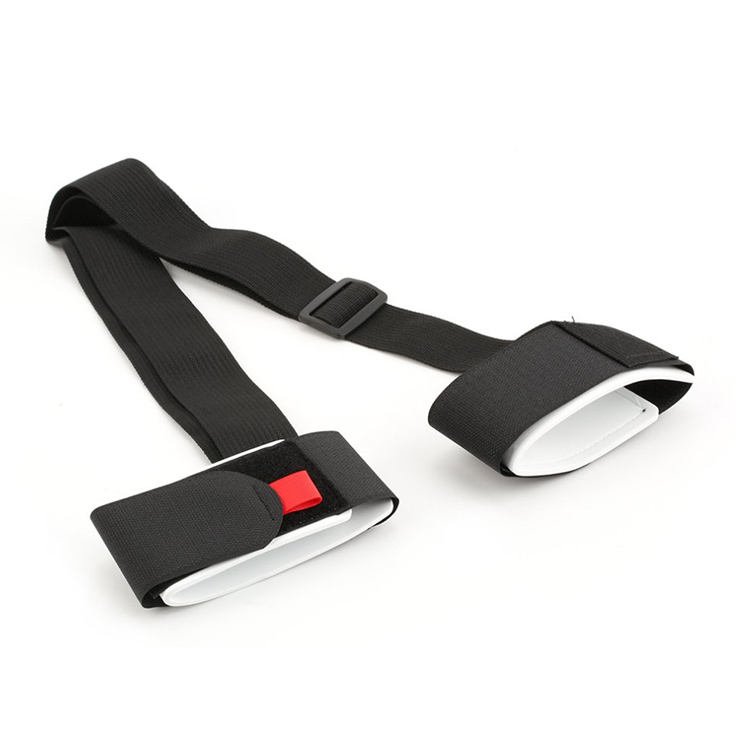
Snowbound Expo tickets went on sale on 9 September
Snowbound Expo, the largest consumer snow sports event on the US East Coast, put tickets on sale on 9 September for its 14–15 November 2026 edition, with early-bird day passes starting at $8. The show has permanently relocated to the Earth Expo & Convention Center at Mohegan Sun in Connecticut, where organisers expect around 200 brands.
Consumer shows are not just marketing. For accessory suppliers, ticket launches work as a demand thermometer: when pre-season footfall looks strong, retail buyers commit to opening-order quantities earlier — and the accessory line-up gets finalised in the same window, including ski and snowboard straps, bags and protective covers.
Indy Pass passes 300 resorts for the first time
On 1 September, Indy Pass announced it would add more than 50 new resorts for the 2026-27 season, taking its network beyond 300 ski areas for the first time. Fall pass sales reopened to waitlist members the same day, with further resort announcements through to 8 September, when remaining inventory went to the general public. The pass carries a 300-resort guarantee.
The strategic point matters for suppliers: Indy Pass growth is concentrated in independent mountains, where rental fleets and ski-school programmes turn over fastest. Those operators buy smaller quantities, reorder faster, and lean on practical consumables such as adjustable ski straps with hook and loop fasteners carrying their own branding.
Sölden snow control confirmed: the World Cup clock starts 24 October
The 2026-27 FIS Alpine Ski World Cup is confirmed to open in Sölden, Austria, on 24–25 October 2026, with the women’s giant slalom on the Saturday and the men’s on the Sunday. A positive snow control has already been reported for the Rettenbach glacier venue, and the calendar then rolls on to Levi, Gurgl and North American stops at Killington and Copper Mountain in November.
Snow control clearance is the season’s first hard technical milestone, and it coincides with renewed snowmaking investment in the Alps: PlanetSKI’s September round-up reported Les Menuires committing further funds to snowmaking for the coming winter. Every extra snowmaking hour also adds an operational demand cycle for the straps, ties and protectors that keep equipment secured in transit and storage.
The trade calendar: Slide & OTS, ISPO and Outdoor Retailer
Buying teams are locking in show schedules. Slide & OTS Winter, the UK’s dedicated snowsports and outdoor trade show, returns to Exhibition Centre Liverpool from 12 to 14 January 2027, with 73 stands already confirmed and early-bird rates available until 18 September 2026, according to Outdoor Industry Compass. ISPO 2026 runs in Amsterdam from 3 to 5 November 2026, and after Outdoor Retailer’s summer edition in Minneapolis, Shop Eat Surf Outdoor reported on 31 August that retailers described steady traffic and a mood better than the headlines suggest.
For brands manufacturing in Asia, the consequence is practical: accessory decisions are made before the shows, not on the show floor. By the time a buyer walks a January booth in Liverpool, the strap specification and packaging should already be approved.
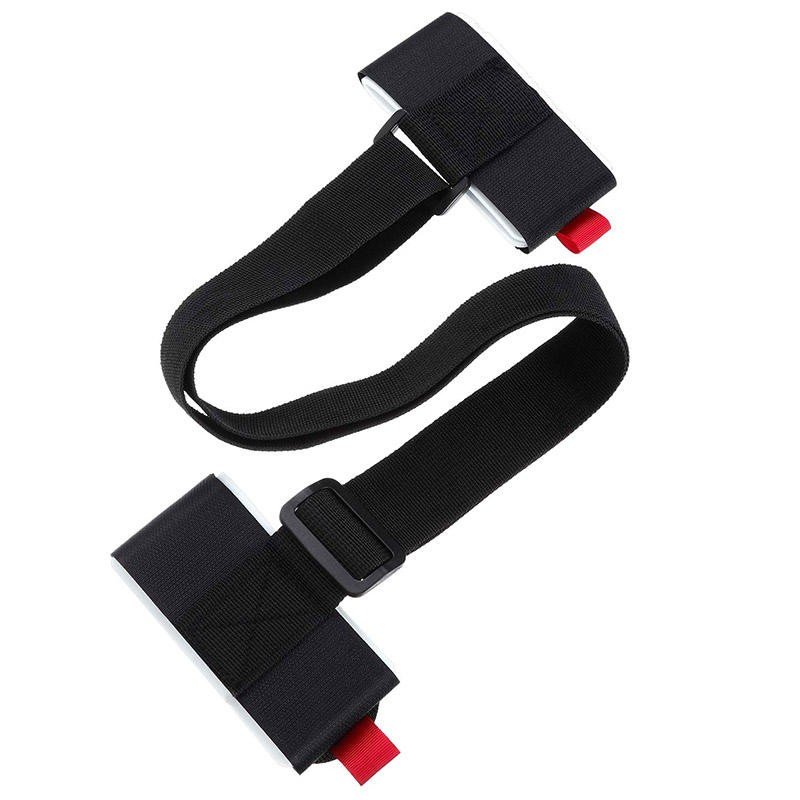
Meanwhile, the wider outdoor basket keeps growing
Winter is not the only category moving. The Outdoor Industry Association’s 2026 Running Report put trail running at 17.2 million participants, up 6.6% year on year and 57% since 2019, while OIA’s 2026 Outdoor Participation Trends Report recorded a record 183.2 million US outdoor participants in 2025. Pickleball remains the fastest-growing US sport, with SFIA data showing 171.8% participation growth between 2022 and 2025 and Coherent Market Insights valuing the global pickleball equipment market at roughly $808.3 million in 2026. Cycling is steadier — ResearchAndMarkets sized the global bicycle market at about $72.97 billion in May 2026, with inventory normalising as dealer confidence recovers.
Cost pressure is the counterweight. Columbia Sportswear’s CFO has indicated the company expects to raise spring and fall merchandise prices by a high single-digit percentage. When retail prices rise, landed cost and material compliance move up the agenda — which is where trail running, road running, hiking, cycling and pickleball accessory programmes get re-specified rather than simply reordered.
What this means if you are booking 2026/27 production
Pull the signals together: demand indicators are positive, the competitive calendar is fixed, and the accessory window for 2026/27 closes well before the first lifts turn.
Vertasport is a factory-direct OEM/ODM manufacturer of hook and loop straps and sports accessories in Shenzhen, China, supplying ski and snowboard straps, tie-down and carrier straps, running and hiking accessories, cycling straps, pickleball accessories, neoprene protectors and custom bags. Programmes start at low MOQ with your artwork, packaging and branding, materials are REACH & RoHS compliant, and prototypes and quotes typically go back within 24 hours.
If you are finalising a 2026/27 accessory line, send your specification now to hxwdavidli@gmail.com or WhatsApp +86 134 8014 3331. Tell us the category, target quantity and market, and we will come back with a factory-direct quotation and a production timeline built around your launch date.
Ski Season 2026/27 Opening Dates: Austria and Vail Resorts Confirm the Countdown to Winter
Two winter sports calendars landed this month that matter to every brand, retailer and rental fleet buying gear for 2026/27 — and they mark the point where preseason forecasts turn into purchase orders.
Austria’s travel trade portal published the country’s official 2026/27 opening calendar on 8 September, with the first slopes turning from early October, while Vail Resorts has locked in its North American opening dates. Together they define the sourcing window for winter accessories: opening dates are fixed, but factories are still filling capacity.

Austria: First Turns from Early October
According to Austria’s official B2B travel portal, the 2026/27 season starts at altitude and rolls down the valleys through the autumn. The headline dates:
- Early October 2026 — Hintertux Glacier (Zillertal), the first slopes to open, running to 11 April 2027
- 3 October 2026 — Mölltaler Glacier (Carinthia), open to 30 May 2027
- 10 October 2026 — Kitzsteinhorn (Zell am See-Kaprun)
- Mid-October 2026 — Sölden and the Stubai Valley glaciers
- 6 November 2026 — Kitzbühel
- 19–27 November 2026 — Obergurgl-Hochgurgl, Obertauern, Ischgl, Tiroler Zugspitz Arena, Saalbach-Hinterglemm and Silvretta Montafon
- Early December 2026 — St. Anton am Arlberg, Lech Zürs, Serfaus-Fiss-Ladis and SkiWelt Wilder Kaiser Brixental
The portal notes that weather can shift dates at short notice — a reminder for rental fleets to plan around ranges rather than single days.
North America: Vail Resorts Confirms Its Dates
Vail Resorts announced its 2026/27 opening plan via PR Newswire. Keystone (Colorado) is aiming to open as soon as conditions allow in October, a repeat of its first-to-open target for North America, followed by Breckenridge on 6 November and Vail Mountain on 13 November. Whistler Blackcomb, Park City Mountain, Heavenly and Northstar are scheduled for 20 November, with Beaver Creek and Crested Butte on 25 November and Kirkwood and Stevens Pass on 4 December.
The announcement also leaned into the preseason snow conversation, noting that skiers and riders are tracking forecasts for the winter ahead, and pointing to more than $100 million invested in snowmaking since 2015. The commercially useful detail for suppliers is scale: Vail Resorts Retail operates more than 250 retail and rental locations across North America.
What the Opening Dates Mean for Accessory Buyers
Fixed opening dates are the demand signal for the accessory side of the business. Three things follow every fleet refresh and every new hardgoods launch:
- Rental and demo fleets restock in the same purchasing cycle. Every new pair of skis added to a rental rack needs a carrier strap, and replacement straps are a routine reorder item through the season.
- Travel and protection sell alongside premium skis. Ski and snowboard travel bags, edge protectors and neoprene covers ride the same up-sell momentum as new boards.
- Lead times are the real constraint. Factories serving the 2026/27 season start filling production capacity from September, and late orders risk missing the first snow.
Early-September trade coverage reinforced the same read: winter sports groups including the brands behind Nordica, Blizzard, Tecnica and Moon Boot were reported as growing, Helly Hansen set out US expansion targets, and the first snow of the season was reported in Alberta and British Columbia.
Sourcing the 2026/27 Winter Accessory Package
For buyers assembling a winter programme, the working list is short: carrier straps that keep skis and boards together, travel bags that protect edges in transit, and neoprene protectors that keep rental inventory presentable. Our own range covers all three — see the snowsports category for the full line, the adjustable ski straps with hook & loop fasteners that most rental fleets start with, and the equipment straps range for carriers, tie-downs and utility fastening across other sports.
Beyond the Slopes: Fall Demand in Five More Categories
Winter is the loudest season, but the autumn calendar is equally busy across the other categories we manufacture for. Trail racing returns to Bewl Water in the UK on 12 September 2026, one of a dense schedule of autumn trail events that drives demand for trail running essentials such as hydration vests, headlamps and race socks. Road and park runners moving into cooler mornings pull the same demand through pure running accessories.
Pickleball remains the stand-out growth story: US participation reporting this month puts the player base at roughly 24 million, with the sport again described as the country’s fastest-growing for a fifth consecutive year. That growth is now a hardgoods and bag story as much as a paddle story — see our pickleball range of tote bags, cooler totes, lanyards and compression sleeves.
On the bike side, the September edition of BikeBiz and the European Cycling Industries market profile both point to a market still working through inventory and shifting towards demand-driven, efficiency-led growth — which favours accessory and elite biking programmes over speculative hardgoods volume. And as hiking season extends into autumn, high hiking gear — gaiters, trekking accessories, straps and packing essentials — keeps moving through the fourth quarter.
Plan Now, Ship On Time
If your 2026/27 accessory programme is not yet placed, the useful next step is a quote against your specification rather than a catalogue browse. Vertasport manufactures ski straps, carrier straps, bags and neoprene protectors factory-direct, with OEM/ODM development, low MOQs for first orders and testing, and REACH & RoHS compliant materials. Send your target specs, quantity and delivery window and we will reply within one business day — email our team or message us on WhatsApp.
Ski Strap OEM Buying Guide: Specs, Customization & Sourcing for 2026/27
The 2026/27 pre-season sourcing window is open. Ski straps look like a small item, but they are a genuine safety component, a brand touchpoint on every pair of skis, and one of the fastest accessories to move at retail. This OEM buying guide walks through the specifications, customization options and factory checks to lock down before you order.
What a Ski Strap Really Does
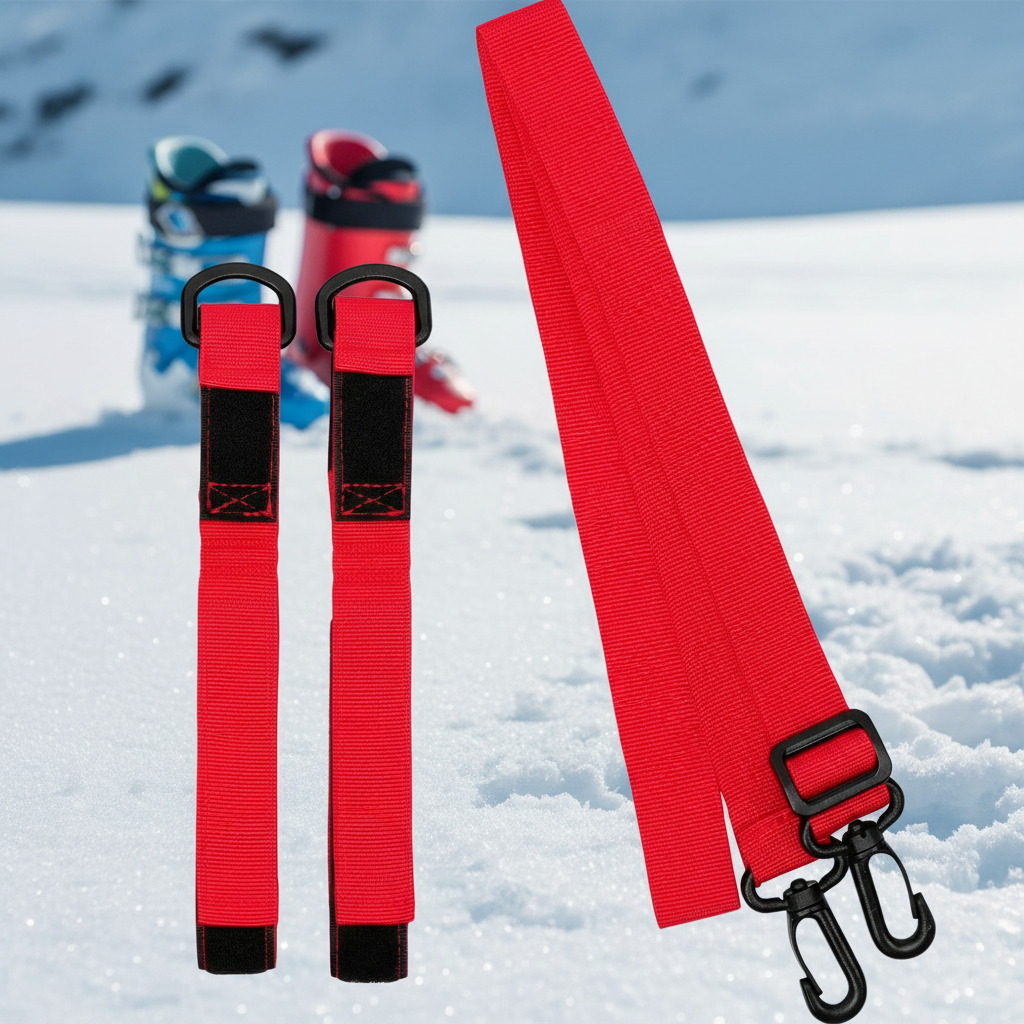
A well-made ski strap keeps skis together and protected in transit and storage, holds poles alongside the pair, and — printed with your brand — turns every trip to the mountain into an advertisement. For retailers and brands, it is also an easy add-on sale with year-round reorder potential.
Core Specifications to Decide First
- Width and length: straps should match the ski profile they carry — wider woven straps suit adult all-mountain skis, while slimmer versions work for children’s and touring setups. Confirm your target lengths before sampling.
- Hook & loop configuration: decide the hook-to-loop ratio, the attachment method (sewn end loops, velour protectors or soft EVA pads where the strap wraps the ski edge) and whether the strap is adjustable or fixed-length.
- Webbing and materials: choose between polyester webbing and elastic options, specify edge protection for the ski finish, and make sure all materials meet EU REACH and RoHS requirements from the start.
- Hardware and finishing: metal or plastic buckles, anti-slip coatings, stitched reinforcement at stress points, and clean edge finishing all affect both durability and the price.
Branding and Retail Presentation
- Printing: heat-transfer, screen printing or woven labels — each gives a different look and durability on the strap surface. Supply your logo artwork in vector format for the cleanest result.
- Colorways: match strap and pad colors to your seasonal line; custom colors are normally available from the sampling stage.
- Retail packaging: header cards, hang tags or poly-bag bundles with your SKU barcode make the product retail-ready and protect it in transit.
What to Confirm with Your Factory
- Sampling: request physical samples (not only photos) and test them against your own skis before approving bulk.
- MOQ and lead time: clarify minimum order quantities and production lead time for your season — pre-season orders protect capacity before peak demand.
- Compliance: ask for REACH/RoHS declarations and test reports, and confirm factory audits such as BSCI and ISO 9001.
- Quality control: agree on stitch density, print adhesion and strength checks, plus inline and final inspection before shipment.
One Factory, From Design to Delivery
Vertasport has manufactured hook & loop ski straps and snowsports accessories for leading brands across Europe and North America for two decades — with low MOQs for market testing, REACH/RoHS-compliant materials, and BSCI/ISO 9001 certified production. Start with our ready-made adjustable ski strap or explore the full Elite Snowsports range, then customize to your brand.
Ready to spec your 2026/27 program? Email us or message on WhatsApp — we reply within 24 hours.
EU GPSR, REACH & US Tariffs: The 2026 Compliance Checklist for Outdoor Gear Buyers
Compliance has moved from paperwork to the front of the buying decision. The EU’s General Product Safety Regulation (GPSR) is now fully in force, the REACH SVHC list stands at 253 substances after its February 2026 update, and U.S. tariffs on Chinese goods have swung repeatedly through 2026. For brands importing ski, cycling and outdoor gear, here is the checklist to run before you commit.
EU GPSR — the New Baseline for EU Sales
Regulation (EU) 2023/988 replaced the old General Product Safety Directive after a transition period that ended in December 2024. GPSR applies to essentially all consumer products sold in the EU — new or second-hand, regardless of origin — and it now holds online marketplaces accountable for the products they list.
- An EU-based Responsible Person (manufacturer, importer, authorised representative or fulfilment provider) must be identifiable for products supplied from outside the EU.
- Technical documentation and a documented risk assessment must exist and be available to market surveillance authorities on request.
- Traceability is stricter: product, batch, and manufacturer/importer information must be kept and, where practical, marked on the product or its packaging — including an electronic address for the manufacturer.
- For non-EU factories this means real work: buyers increasingly need documentation support, not just shipped goods.
REACH — Materials Matter
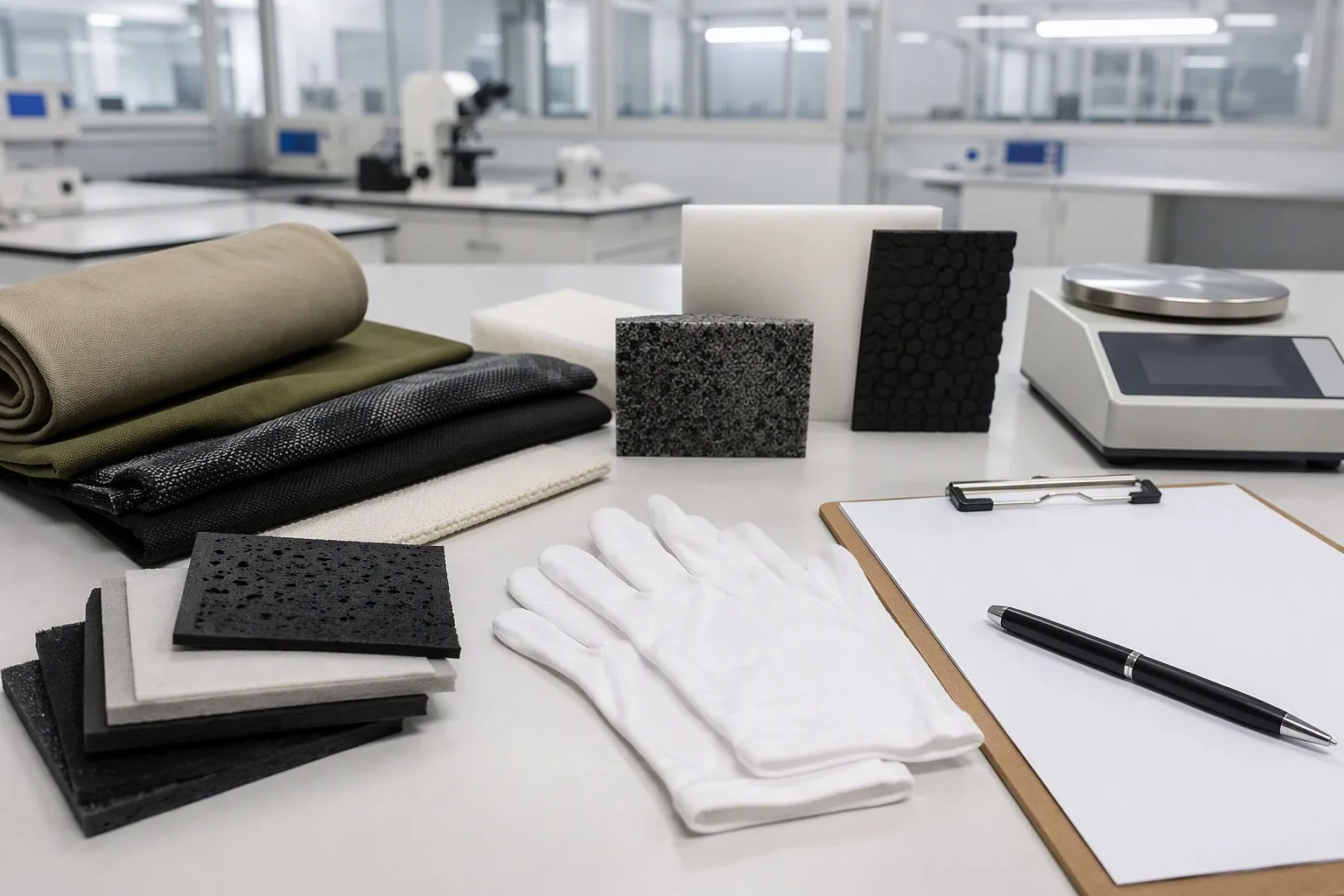
REACH manages the chemicals in products placed on the EU market. The European Chemicals Agency (ECHA) regularly updates the SVHC Candidate List — two substances were added on 4 February 2026, bringing the list to 253 entries. When a listed substance is present above 0.1% by weight in an article, information must flow down the supply chain and, in certain cases, be notified to ECHA.
- Materials to watch in sports accessories: EVA foam and rubber (straps, pads, grips), PVC plasticisers, and textile dyes and finishing agents.
- Ask for declarations per batch, backed by test reports — not just a one-line “REACH compliant” claim.
- RoHS only applies where the product contains electrical or electronic components; most pure textile and foam gear sits outside its scope.
US Tariffs — a Moving Target in 2026
U.S. tariff policy on Chinese goods has been unusually volatile. Rates were raised sharply through 2025 — reaching as high as 145% before being reduced to 30% in May 2025 and 20% in November 2025. The IEEPA-based 20% rate then ended on 24 February 2026 after the U.S. Supreme Court struck it down, with the average rate falling near 9.1%, before new Section 122 tariffs were imposed — those are themselves under legal challenge, while Section 301 duties from 2018 remain in force.
Practical advice: never quote from memory. Check the current rate for your exact HS code on the USITC HTS website before pricing, factor landed cost (duty plus freight) into your margin, and remember tariff windows can close quickly — seasonal programs benefit from earlier commitment and firm orders.
Six Questions to Ask Your Factory
- Can you provide REACH SVHC test reports showing substances below 0.1% w/w for the actual materials used?
- Can you supply GPSR-ready technical documentation and support an EU Responsible Person arrangement?
- What traceability and batch records do you keep — and can you mark product or packaging as required?
- Are you audited to BSCI / ISO 9001, and can you show current certificates?
- Can you propose compliant alternative materials if a substance becomes restricted?
- Does one team answer design, certification and documentation questions — or would we be coordinating three separate suppliers?
Compliance Belongs in the Sourcing Decision
As tariffs and regulations tighten, buyers consolidate around factories that can handle compliance end to end. Certification, documentation and traceability are now part of the product itself — not an afterthought bolted on after sampling.
One Factory, Compliance Built In
Vertasport has supplied leading sports brands in Europe and North America for two decades — OEM/ODM across ski, cycling, running, hiking and pickleball from a single BSCI and ISO 9001 certified factory. Materials are selected for REACH/RoHS compliance, declarations and test support are available, and low MOQs allow market testing before you scale. Explore the full product range or ask us about compliance documentation on your next project.
Planning an EU or US program? Email us or message on WhatsApp — we reply within 24 hours.
US Online Sales Up 12.2%: Planning Windows for Ski, Cycling & Outdoor Categories
U.S. online retail reached $340.2 billion in Q2 2026, up 12.2% year over year — the fastest growth in five years — with e-commerce climbing to 17.1% of total retail and apparel among the leading online categories. For buyers of ski, cycling, running and outdoor gear, that is a clear sourcing signal: plan early, secure capacity and build for a market that keeps shifting online.

Why This Matters for Sports & Outdoor Buyers
Roughly a third of the U.S. growth came from higher prices; strip those out and real consumer demand is still expanding close to 8% — a steady structural shift rather than a flash in the pan. Electronics, home goods and apparel together account for 61% of U.S. online sales, which means sportswear and equipment shelves are increasingly filled through digital channels. Walmart’s U.S. e-commerce rose 24% and Amazon’s online store grew 15% to $70.4 billion in the quarter — proof that large retailers are pouring resources into online assortments, and into the suppliers who keep those assortments fresh.
Six Categories, Six Planning Windows
Each of our six core categories follows its own sourcing rhythm. Align your calendar with demand and you ship into the season instead of chasing it.
- Ski & Snowsports — the 2026/27 season is being sourced right now; as our September ski-season market update explains, buyers are locking in straps, pads and accessories this month. Explore the Elite Snowsports range.
- Cycling — spring/summer programs for e-bike, commuter and sports cycling accessories are planned months ahead of the season. Browse Elite Biking.
- Running — year-round volume with deep online penetration; low-MOQ market testing is the safe way to enter new lines. See Pure Running.
- Trail Running — a rapidly expanding trail scene across North America keeps this segment dynamic and growing. See Trail Running.
- Hiking — steady outdoor participation sustains demand for hiking accessories across seasons. Explore High Hiking.
- Pickleball — one of the fastest-growing sports in North America, with equipment demand spreading well beyond the U.S. See the Pickleball line.
From Scale to Efficiency
Behind the U.S. numbers, cross-border commerce is shifting from scale to efficiency: capital is repricing fast-growth models (SHEIN’s valuation reset after its Hong Kong listing), marketplaces are expanding into new regions (Temu’s planned Middle East launch), and platforms are pushing local fulfillment (Shopee’s faster overseas warehouses, Amazon’s Pan-European FBA widening from four to six countries).
The practical result for buyers: fewer, stronger suppliers win. Certifications, material compliance, consistent quality and a factory that can take a product from design to delivery matter more than ever.
One Partner Across All Six Categories
Vertasport supplies leading brands in Europe and North America from a single factory — OEM/ODM across ski, cycling, running, trail, hiking and pickleball, with REACH/RoHS-compliant materials, BSCI and ISO 9001 certified production, and low MOQs for market testing. One design-to-delivery partner across the full product range means fewer audits, faster programs and consistent quality.
Related: US e-commerce grows 12.2% in Q2 2026 — the full market data behind these sourcing signals.
Planning your next season? Email us or message on WhatsApp — we reply within 24 hours.
US E-Commerce Grows 12.2% in Q2 2026: A Sourcing Signal for Outdoor Brands
U.S. online retail keeps breaking records. Seasonally adjusted e-commerce sales reached $340.2 billion in Q2 2026, up 12.2% year over year — the fastest growth in nearly five years — while e-commerce climbed to 17.1% of total U.S. retail, a new all-time high for the fourth consecutive quarter. Total retail grew just 6.7% over the same period: online is now growing almost twice as fast as offline.

Back to Double Digits — and It Is Real Demand
The second straight quarter of double-digit growth is notable — the last time that happened was four years ago. First-half 2026 e-commerce sales totaled $668.1 billion, up 11.1% year over year.
Importantly, the growth is a mix of price and volume: roughly one third comes from higher goods prices, but after stripping out inflation, real consumer demand is expanding close to 8%. This is a steady structural repair — not a bubble.
Where the Growth Is Concentrated
- Electronics, home goods and apparel together account for 61% of total U.S. e-commerce.
- Fresh grocery is the standout category: online food and grocery sales jumped 31% year over year to $44 billion.
Platforms: Walmart and Amazon Lead the Acceleration
- Walmart: U.S. e-commerce sales rose 24%, in-store pickup grew more than 40%, and marketplace sales climbed over 50%.
- Amazon: online store revenue grew 15% to $70.4 billion in the quarter.
Put simply: the digital transformation of traditional retail giants is now showing up in the numbers. Online shopping is not a pandemic leftover — it is a structural shift.

From a Scale Story to an Efficiency Story
The same week, three developments pointed one direction: cross-border e-commerce is moving from scale and speed to efficiency and compliant operations.
- SHEIN joins the Hang Seng Composite Index (effective September 15). Listed at HK$48.50 on its first day, the company is valued around $26.15 billion — more than 70% below its $98.2 billion peak at its 2022 Series D. Capital markets are re-pricing the China supply-chain story.
- Temu plans a Middle East launch, expanding to 27 global markets with daily sales above $50 million. But efficiency is the open question: EU tariffs have already hit Temu’s European volume — whether Middle East economics offset compliance costs remains to be answered.
- Platforms are forcing efficiency: Shopee’s 9.9 Super Shopping Day arrives with a 33% lift in overseas-warehouse inbound capacity and delivery as fast as 4 hours; Amazon extends Pan-European FBA from four to six countries, raising both fulfillment speed and inventory complexity.
What This Means for Outdoor & Sports Brands
For brands and distributors selling outdoor and sports gear into the U.S. and Europe, the read is straightforward:
- The window is still open, but it is no longer a traffic play. The edge now belongs to supply chain strength and localization — compliant production, faster market entry and regional fulfillment.
- Buyers are consolidating suppliers. As platform and tariff rules tighten, brands prefer fewer, more capable factories that cover design, production, certification and logistics in one place.
- New-season planning starts earlier. With North American demand holding up, the coming months are the natural window to lock in spring/summer programs and reserve production capacity.
Vertasport has supplied leading sports brands across Europe and North America for two decades — factory-direct OEM/ODM for ski, cycling, running, hiking and paddle gear, with low MOQs for market testing, REACH/RoHS-compliant materials and BSCI/ISO 9001 certified production. For brands planning the next season, it is one partner across the full product range.
Related: Planning windows for all six ski, cycling, running & hiking categories — how the same U.S. online growth translates into a category-by-category sourcing calendar.
Ready to plan your next program? Email us or message on WhatsApp — our team responds within 24 hours.
Labor Day 2026 Sales & the 2026-27 Ski Season: Fall Outdoor Gear Retail Outlook
September has arrived, and for the outdoor industry that means the seasonal switch has begun. In North America, Labor Day — September 7 this year — closes out the summer retail calendar, while resorts, brands and distributors across the Alps, Rockies and Scandinavia are already turning toward the 2026-27 ski season. The weeks ahead are a decisive window for retailers and importers: clear last season’s stock during the promotions, then lock in fresh outdoor gear and accessories before winter demand arrives.
Labor Day Sales Signal the Shift to Fall and Winter Gear
The Labor Day shopping weekend is traditionally the outdoor industry’s bridge from summer to winter. This year, Outside Online‘s editor-approved Labor Day roundup featured deals of up to 67 percent off running shoes, tents, bikes, skis and snowboards — a reminder that consumers are already thinking about cold-weather sports while the weather is still warm. Specialist ski retailers follow the same rhythm: as trade outlet FREESKIER has reported, stores such as Christy Sports run their annual “Powder Daze” promotion around Labor Day with savings of up to 60 percent on previous-season equipment. For buyers, that pattern matters twice: end-of-summer promotions clear carryover inventory, while new-season accessory programs are being reordered for delivery ahead of first snow.
Ski and Snowboard: The 2026-27 Pre-Season Starts Now
Industry analysts see steady value growth in the core winter categories. Mordor Intelligence estimates the ski gear and equipment market at roughly US$13.7 billion in 2026, up from US$11.4 billion a year earlier, and industry media from SnowBrains to the Snowsports Industries America newsroom are already tracking early 2026-27 preparations and gear arrivals. For manufacturers and distributors, the practical takeaway is that small hardware sells the season: ski and snowboard accessories such as carrier straps, hook-and-loop fasteners and boot carry systems are high-turn, low-risk lines that give retailers margin while skis and boots are ordered months ahead.
One example of the kind of accessory program buyers are confirming now: adjustable ski straps with hook-and-loop fasteners, available wholesale with custom colors, logo printing and sizing — exactly the SKUs retailers need on the shelf when the first customers walk in for the season.
Trail Running, Hiking and Cycling Carry the Shoulder Season
While winter prep dominates planning, autumn is peak season for trail sports across the northern hemisphere. Industry predictions for 2026 have repeatedly pointed to trail running moving further into the mainstream, and last month’s Outdoor Retailer summer market in Minneapolis — which drew hundreds of retailers, from REI to Academy Sports — put hiking, trail running and outdoor experiences at the center of its programming. Meanwhile marathon season is in full swing, and even training routines are adapting: the Chicago Tribune recently reported how runners are preparing for warmer race-day conditions, a trend that keeps breathable, reflective and quick-dry kit relevant well into fall.
For suppliers, that means balancing two calendars at once — refreshing trail running gear and running accessories for autumn events while hiking and cycling customers prepare for cooler, wetter conditions. Straps, vests, reflective layers and thermal accessories carry the shoulder season when big-ticket footwear orders have already been placed.
Pickleball Keeps Growing as a Year-Round Category
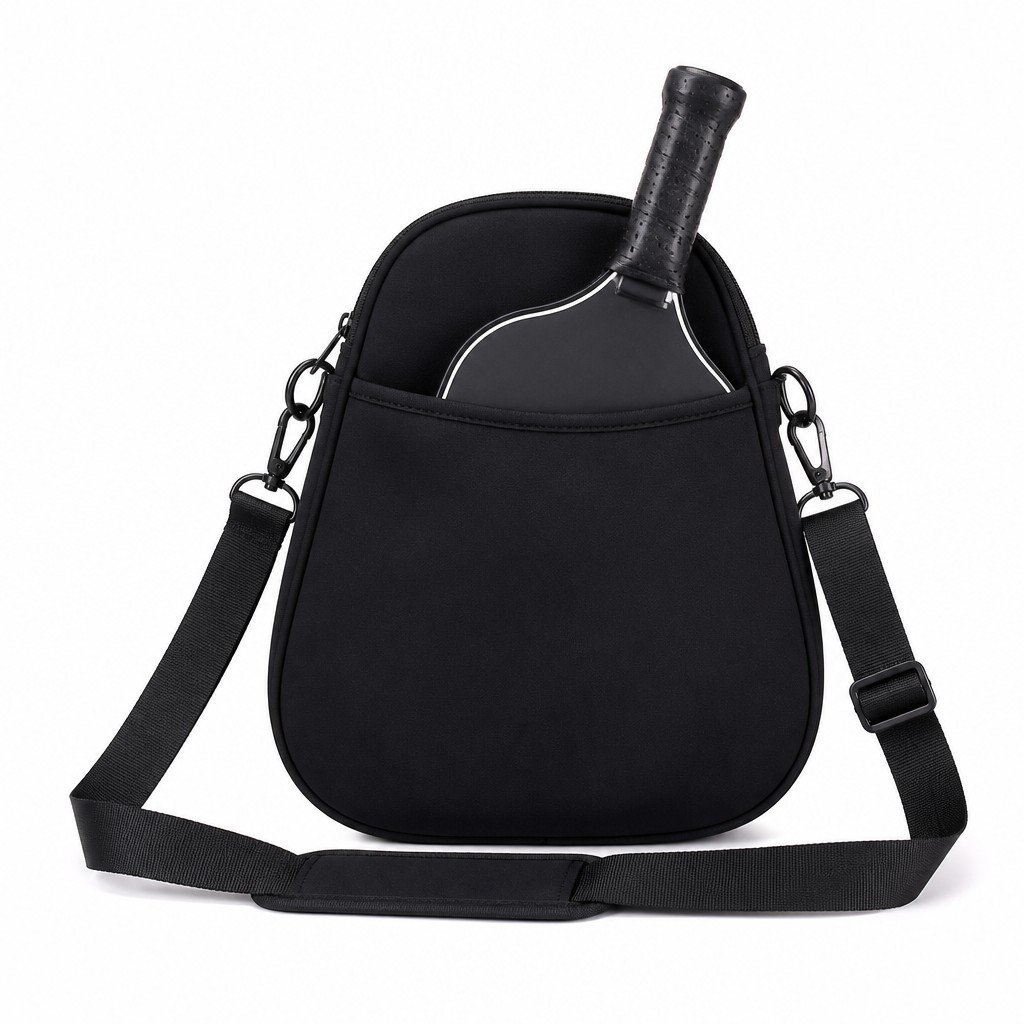
No category better illustrates the death of seasonality in sports retail than pickleball. USA Pickleball’s latest annual growth report points to continued momentum in participation and facilities, and market research firm Grand View Research projects pickleball apparel and equipment sales to rise from roughly US$3.7 billion this year toward US$5.8 billion by 2030. Clubs, tournaments and community centers buy year-round — which makes accessories like pickleball bags, paddle straps and carry solutions an attractive program for importers looking beyond the winter calendar.
Sourcing Strategy: Lock In Straps and Accessories Early
The through-line for fall 2026 is timing. Ski and snowboard programs need to be confirmed now for 2026-27 delivery; trail, hiking and cycling lines carry the autumn months; pickleball fills the gaps all year. Working directly with a factory partner on straps, fasteners and accessory programs gives retailers and distributors three advantages: better landed costs, shorter lead times and full control over branding.
Shenzhen Hongxiangwen Hook & Loop Co., Ltd. (vertasport.com) is a factory-direct OEM/ODM manufacturer of sport straps and accessories — ski carrier straps, hook-and-loop fasteners, running and trail vests, hiking and cycling straps, and pickleball carry solutions. We offer low MOQs, BSCI- and ISO9001-certified production, REACH/RoHS-compliant materials and a 24-hour quote response, so you can build your 2026-27 accessory program with confidence.
Planning your fall or winter assortment? Send your specs for a same-day quote at hxwdavidli@gmail.com or message us on WhatsApp at +86 134 8014 3331.
2026-27 Ski Season News: Pass Sales, New Materials and the September Sourcing Window
September 3, 2026 — The winter sports industry has turned the page from a difficult snow year to the 2026/27 buying season, and this month’s news shows why the fall ordering window matters more than ever. Resorts have published their opening plans, a ski maker has moved a new material into full production, and buyers are locking in factory capacity before the first snowfall.
Resorts Open the 2026-27 Booking Season
Vail Resorts announced its 2026/27 opening dates in mid-August (company announcement), adding a 20 percent discount on Epic pass products for young skiers and riders aged 13 to 30. The timing is deliberate: spring pass sales came in soft after a hard western winter. SAM Magazine reported in June that 2026/27 pass units sold through May 26 were down about 10 percent year over year, with sales dollars down 5 percent. “We believe the challenging conditions have delayed purchase decisions, creating the opportunity for improved pass performance in the fall selling season,” CEO Rob Katz said in the results call (SAM Magazine).
The same report showed retail and rental revenue at North American resort stores down 8.3 percent in the fiscal third quarter and more than 6 percent for the season — the kind of number that makes merchandisers cautious, though rental demand typically rebounds with the first snow. Epic Australia Pass sales rose about 26 percent in units, a reminder that Southern Hemisphere demand keeps the accessory calendar turning through summer.
A Snow-Poor Winter, a Resilient Industry
Industry-wide, the 2025/26 season in the United States finished with roughly nine million fewer skier visits than the prior year, according to preliminary figures from the National Ski Areas Association reported by PlanetSKI. Average snowfall of about 112 inches fell well short of the 169-inch ten-year average — the lowest in more than a decade — and Colorado logged its worst winter on record (PlanetSKI).
What stands out is how the industry absorbed it. Operating days declined only modestly, thanks to continued investment in snowmaking and infrastructure: reporting ski areas invested a total of $569.3 million in capital expenditures, including 45 new and 52 upgraded lifts, or roughly $22 per skier visit. “We’ve seen time and again that a lower-snow season is often followed by a strong rebound,” NSAA President and CEO Michael Reitzell said. For suppliers, fleets kept running, rental stock kept turning, and replacement demand for straps, bags and protection gear carried through the season.
Materials Innovation Reaches Full Production
On the product side, Snowsports Industries America reported in August that Quebec-based Ferreol Skis is the first brand to commercially deploy Scalium — a high-strength aluminum-scandium alloy developed in partnership with Scalium+ (formerly Ferreol Technologies) — at scale, using the material in the construction of every ski in its new 2026/27 collection (SIA Industry News).
For accessory buyers, the signal is broader than one brand: materials once confined to prototypes are reaching full production. As hardgoods grow lighter and more premium, accessories must keep pace — fasteners that hold their grip in cold weather, clean custom branding, consistent quality across batches.
Trade Costs and the Case for Earlier Ordering
Sourcing economics are also pushing the calendar earlier. Trade coverage this summer, including the gear-news desk at Outside Online, reported that import duties on gear made in China and other production countries have prices in flux, with experts expecting further pressure (Outside Online). Snowsports Industries America has separately argued that tariffs on imported materials and finished winter products act as a direct tax on consumers and discourage new gear purchases (SIA).
The effect for importers is straightforward: cost assumptions can shift between quotation and delivery, so confirmed pricing, early sample approval and booked freight matter more than ever. In the alpine retail calendar, September through November is the critical ordering period — December is late.
What the September Sourcing Window Means for Accessory Buyers
For retailers, rental operators and brands building a 2026/27 accessory program, the news of the past month translates into four actions:
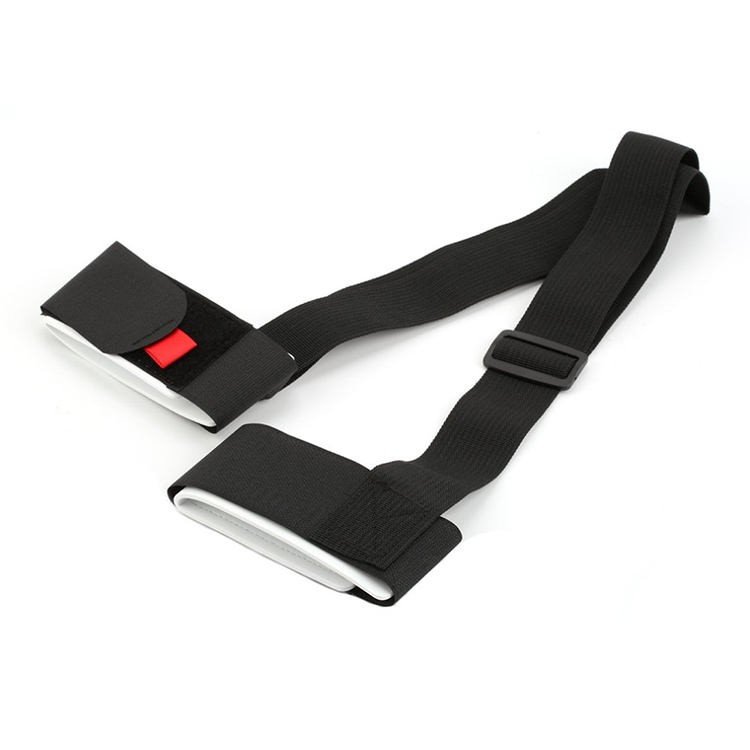
- Order accessories in the same cycle as fleet refreshes. Rental shops updating their ski fleets replace strap stock in the same purchasing round. Adjustable ski straps with hook and loop fasteners remain the proven entry SKU — easy to customize and quick to test across retail and rental channels.
- Consolidate the accessory range with fewer factories. Straps, hook and loop fasteners, ski bags and neoprene protectors sourced under one roof save freight, quality control time and lead time. See the full snowsports category for the current range.
- Plan for the whole calendar year. The same factory-direct model covers equipment straps and warm-weather lines such as pickleball accessories, smoothing out seasonal production slots.
- Verify the factory checklist before ordering. BSCI and ISO 9001 certification, REACH and RoHS compliance for EU-market goods, low MOQs for market testing, and sample lead times that protect your sell-in dates.
Vertasport is a factory-direct OEM/ODM manufacturer of hook and loop straps, ski straps, ski bags and neoprene protectors — with low MOQs, BSCI/ISO 9001 certified production and a 24-hour quote turnaround. Ready to build your 2026/27 range? Email our team or message us on WhatsApp — we will come back to you within one business day.
Waterproof Commuting Bags: Urban Cycling Demand Grows Across EU
Across European cities, the commuter cyclist is no longer the exception — and neither is the weather. Demand for genuinely waterproof commuting bags is growing steadily, with 100% waterproof panniers and 3-in-1 cycling backpacks gaining shelf share in urban retail.
The Urban Cycling Bag Market
City bike-share programs, e-bike adoption and congestion policies have put more people on bikes in EU cities than at any point in recent decades. That rider base commutes in real weather, which is why the bag category is splitting into two clear segments:
- Everyday commuter bags — backpacks that work on and off the bike, with laptop protection and commuter-friendly organization.
- True waterproof gear — fully waterproof panniers and roll-top bags for riders who won’t accept a wet laptop or soaked change of clothes.
The growth is in the overlap: riders want one bag that does both — weatherproof enough for the daily ride, practical enough for the office.
What’s Gaining Share
- 100% waterproof panniers: welded or fully taped construction with roll-top or dry-bag closures — the standard for cargo-carrying commuters.
- 3-in-1 cycling backpacks: convertible designs (backpack / shoulder bag / pannier) that justify a higher price point.
- Sustainable materials: RPET eco-materials and recycled fabric content are now purchase drivers, especially with younger urban demographics and public-sector procurement.
- Reflective detailing: commuter safety features that sell themselves at dusk.
Sourcing for the EU Commuter Market
For distributors and brands selling into EU cities, three requirements shape the order:
- Genuine waterproofing: verify the construction (welded seams, waterproof zippers, closure system) with samples — “water-resistant” claims do not survive a real commute.
- Materials compliance: RPET or recycled content for the eco story, with REACH/RoHS compliance for EU market access.
- Versatile SKUs: a pannier + convertible backpack combination covers most of the market with two programs.
Vertasport develops cycling bags and commuter gear factory-direct with OEM/ODM support, RPET material options, low MOQs for market testing and BSCI/ISO 9001 certified production — part of a broader cycling range that lets buyers consolidate sourcing.
Ride the Urban Cycling Wave
EU city commuting is a structural shift, not a fad — and waterproof bags are the category riding it. Request a quote today — email us or message on WhatsApp — and our team will help you build a program for your market.