2026-27 Ski Season News: Pass Sales, New Materials and the September Sourcing Window
September 3, 2026 — The winter sports industry has turned the page from a difficult snow year to the 2026/27 buying season, and this month’s news shows why the fall ordering window matters more than ever. Resorts have published their opening plans, a ski maker has moved a new material into full production, and buyers are locking in factory capacity before the first snowfall.
Resorts Open the 2026-27 Booking Season
Vail Resorts announced its 2026/27 opening dates in mid-August (company announcement), adding a 20 percent discount on Epic pass products for young skiers and riders aged 13 to 30. The timing is deliberate: spring pass sales came in soft after a hard western winter. SAM Magazine reported in June that 2026/27 pass units sold through May 26 were down about 10 percent year over year, with sales dollars down 5 percent. “We believe the challenging conditions have delayed purchase decisions, creating the opportunity for improved pass performance in the fall selling season,” CEO Rob Katz said in the results call (SAM Magazine).
The same report showed retail and rental revenue at North American resort stores down 8.3 percent in the fiscal third quarter and more than 6 percent for the season — the kind of number that makes merchandisers cautious, though rental demand typically rebounds with the first snow. Epic Australia Pass sales rose about 26 percent in units, a reminder that Southern Hemisphere demand keeps the accessory calendar turning through summer.
A Snow-Poor Winter, a Resilient Industry
Industry-wide, the 2025/26 season in the United States finished with roughly nine million fewer skier visits than the prior year, according to preliminary figures from the National Ski Areas Association reported by PlanetSKI. Average snowfall of about 112 inches fell well short of the 169-inch ten-year average — the lowest in more than a decade — and Colorado logged its worst winter on record (PlanetSKI).
What stands out is how the industry absorbed it. Operating days declined only modestly, thanks to continued investment in snowmaking and infrastructure: reporting ski areas invested a total of $569.3 million in capital expenditures, including 45 new and 52 upgraded lifts, or roughly $22 per skier visit. “We’ve seen time and again that a lower-snow season is often followed by a strong rebound,” NSAA President and CEO Michael Reitzell said. For suppliers, fleets kept running, rental stock kept turning, and replacement demand for straps, bags and protection gear carried through the season.
Materials Innovation Reaches Full Production
On the product side, Snowsports Industries America reported in August that Quebec-based Ferreol Skis is the first brand to commercially deploy Scalium — a high-strength aluminum-scandium alloy developed in partnership with Scalium+ (formerly Ferreol Technologies) — at scale, using the material in the construction of every ski in its new 2026/27 collection (SIA Industry News).
For accessory buyers, the signal is broader than one brand: materials once confined to prototypes are reaching full production. As hardgoods grow lighter and more premium, accessories must keep pace — fasteners that hold their grip in cold weather, clean custom branding, consistent quality across batches.
Trade Costs and the Case for Earlier Ordering
Sourcing economics are also pushing the calendar earlier. Trade coverage this summer, including the gear-news desk at Outside Online, reported that import duties on gear made in China and other production countries have prices in flux, with experts expecting further pressure (Outside Online). Snowsports Industries America has separately argued that tariffs on imported materials and finished winter products act as a direct tax on consumers and discourage new gear purchases (SIA).
The effect for importers is straightforward: cost assumptions can shift between quotation and delivery, so confirmed pricing, early sample approval and booked freight matter more than ever. In the alpine retail calendar, September through November is the critical ordering period — December is late.
What the September Sourcing Window Means for Accessory Buyers
For retailers, rental operators and brands building a 2026/27 accessory program, the news of the past month translates into four actions:
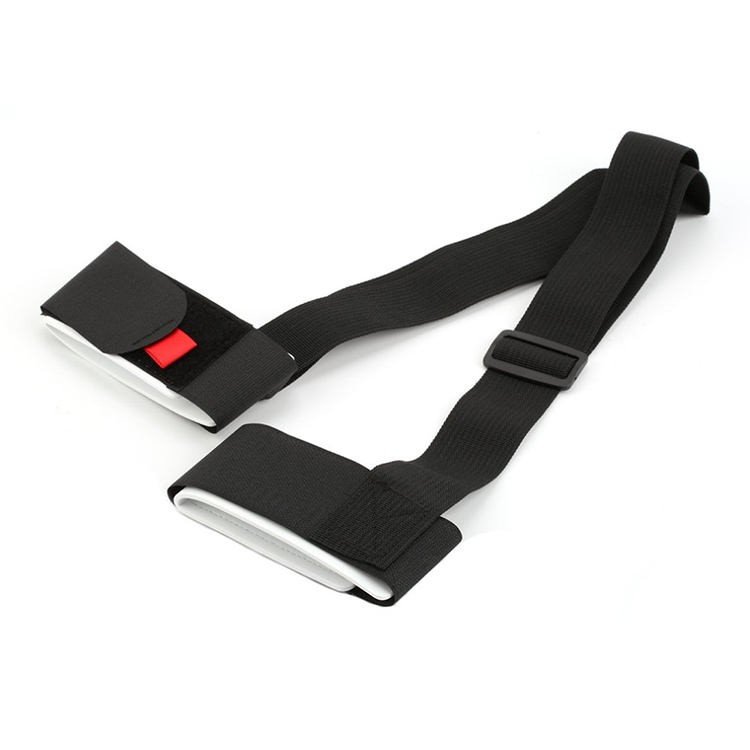
- Order accessories in the same cycle as fleet refreshes. Rental shops updating their ski fleets replace strap stock in the same purchasing round. Adjustable ski straps with hook and loop fasteners remain the proven entry SKU — easy to customize and quick to test across retail and rental channels.
- Consolidate the accessory range with fewer factories. Straps, hook and loop fasteners, ski bags and neoprene protectors sourced under one roof save freight, quality control time and lead time. See the full snowsports category for the current range.
- Plan for the whole calendar year. The same factory-direct model covers equipment straps and warm-weather lines such as pickleball accessories, smoothing out seasonal production slots.
- Verify the factory checklist before ordering. BSCI and ISO 9001 certification, REACH and RoHS compliance for EU-market goods, low MOQs for market testing, and sample lead times that protect your sell-in dates.
Vertasport is a factory-direct OEM/ODM manufacturer of hook and loop straps, ski straps, ski bags and neoprene protectors — with low MOQs, BSCI/ISO 9001 certified production and a 24-hour quote turnaround. Ready to build your 2026/27 range? Email our team or message us on WhatsApp — we will come back to you within one business day.